Table Of Content

Applying dye to wet hair is actually doable, but the color might be less vibrant. The common problem with dyeing your hair is you are not sure if you applied the hair dye evenly. Dyeing thick hair wet can add moisture to the hair, which can help distribute the product faster as the product easily saturates the hair.
Frequently Asked Questions (FAQs)
They are safe to use on wet hair and achieve great results when applied to wet hair. One mistake you must avoid is dyeing hair when it is sopping wet. It is important to towel dry your hair first until it is damp. If you don’t, the water will wash most of the dye, potentially leading to a very uneven dye job. Typically, most hair dyes come with a plastic shower cap included in the package. After applying the hair dye, get the shower cup as a cover and wait around 20 to 30 minutes, or follow the instructions in the hair dye package.
Can You Dye Wet Hair
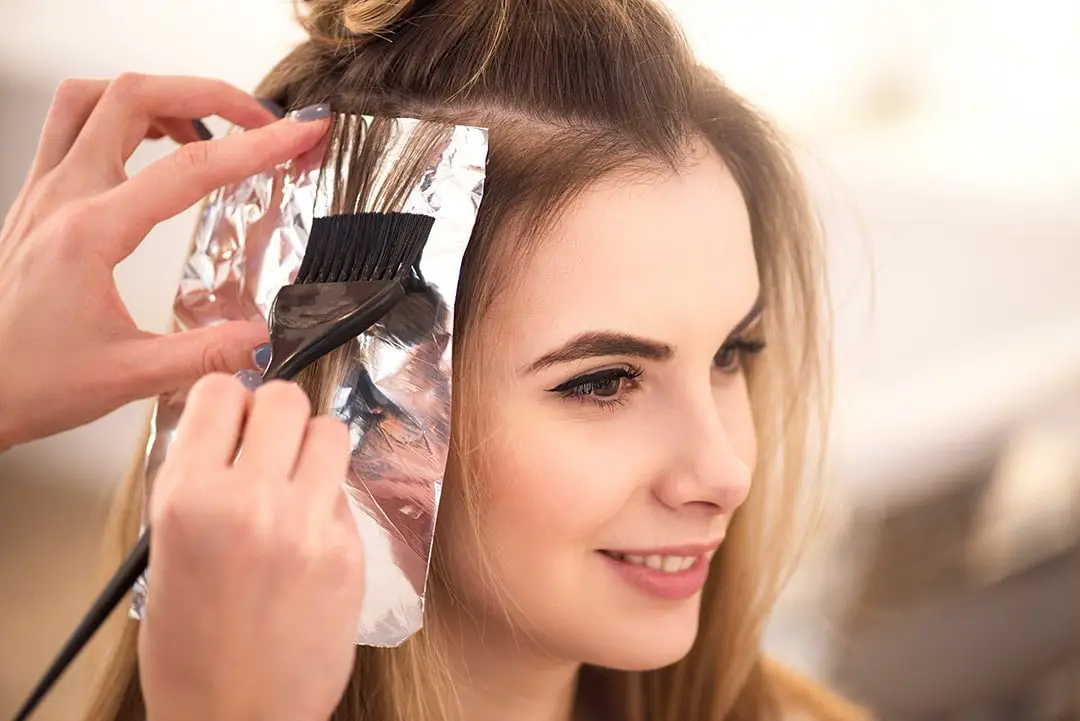
Just a reminder that if you are going to dye your hair when it is damp, it will not be a permanent color. It will be semi-permanent and will wash out within a couple of washes. Experts are saying that you should wait at least 72 hours after you have washed your hair before you can dye your hair.
How Long to Wait to Wash Hair After Coloring - POPSUGAR
How Long to Wait to Wash Hair After Coloring.
Posted: Thu, 21 Mar 2024 07:00:00 GMT [source]
Types of Dye to Apply to Wet Hair
Most semi-permanent hair dyes are nonoxidative,[3] so you can use them on wet hair. You need to know that we are talking about towel dry hair, not soaking wet hair. You should never even consider dyeing your hair when it is soaking wet. The hair color will run down and will only make a mess everywhere, and there will not be enough hair dye on your hair to color it properly. Another mistake you should avoid is not using a bottle of color-safe shampoo immediately. Remember the importance of applying the right products to your hair and scalp after dyeing it when wet – one of which is a color-safe shampoo.
Can You Dye Wet Hair: Process & Instructions Explained (With Must-Know Tips)
Dyeing wet hair can make the color change less dramatic, so if you want something in the same color family, you should be fine. When you apply dye to wet or damp hair, you won’t need to use as much hair dye to get the job done. You’ll be able to evenly distribute a smaller amount of dye over all of your hair, which can help save money. Moisture increases the coverage of a small amount of dye but can dilute the color if used excessively.

To sum it all up, dyeing wet hair has benefits and drawbacks. Temporary or semi-permanent hair dye may need to be left on for 10 to 20 minutes. If you really want to dye wet hair, we’ve gathered the dyes that are perfect for wet hair and won’t do damage to your hair. We all agree that dyeing your hair can be actually fun and convenient. There’s just this thrill when you take things into your own hands — like picking up that box dye and coloring your hair in the comfort of your home.
Common Wet Hair Mistakes That Are Secretly Damaging Your Locks - Real Simple
Common Wet Hair Mistakes That Are Secretly Damaging Your Locks.
Posted: Mon, 15 Apr 2024 07:00:00 GMT [source]
The answer to, “can you put permanent hair color on wet hair,” is different. While semi permanent hair color may work OK with wet or damp hair, permanent color will work best with dry hair. This is because the ingredients found in permanent hair dyes are different from those found in semi-permanent dyes. They are made using more powerful chemicals that may harm our hair if applied when wet. When our hair is dry, the oils are better able to protect it from these chemicals. When using permanent dye, you’ll want to dry your hair before coloring it.
Whether you do it in the shower or the bathroom, it’s guaranteed to leave less mess behind. Yes, wet hair is more elastic and can stretch up to 50% of its length before breaking, compared to dry hair which can only stretch about 20%. In other words, it’s all about selecting the right product for your desired hair color.
Hair Dyes That Work Best On Wet Hair
Hence, when applying the dye to wet strands, water will distribute it evenly. Whereas, make sure that all strands are fully covered with dye when you color dry hair. Hair structure is key for successful wet coloring; pH determines if your products open or close cuticles. With professional help, you can achieve subtle balayage looks or bolder colors without overloading on chemicals. To protect your locks from damage while using an at-home color kit, it’s important to understand how pH works in relation to developer use as well as shampoo rinses. As mentioned previously, wetting hair with water instead of washing it with shampoo will open up its cuticles so that less product is required overall.
Dyeing your hair can be an exciting way to change your look and express your personal style. One common question that arises when it comes to hair colouring is whether or not it’s possible to dye hair while it’s wet. The answer to this question is yes, hair can be dyed when wet, but the success of the process varies depending on certain factors. You don’t want to wash your hair immediately before dyeing it. If your hair is too dirty, it may stop hair dye from penetrating the cuticle evenly. If this happens, the resulting color may be very uneven.
For dyed hair, experts recommend washing it less frequently, conditioning it more often, and protecting it from heat and sunlight. Taking these steps can improve the longevity of the hair color. Bleach lightens hair by removing natural color pigments to make room for the deposition of new ones.
But if you’re dyeing your hair at home, that may not have been the case. With more absorption of your color, a demi- permanent is going to last you longer than a semi-permanent color. Meanwhile, permanent color changes require a dry hair application. When you want to lighten the hair, which is done with bleach, you'll need dry strands in order to get a precise application that doesn't bleed.
With wet hair, the hair dye will mix easier, and you won't need to worry about missing any hair along the way. Try out temporary colors and toners to give your locks a vibrant, dynamic look. Pastel colors can be safely used on wet hair since they are not as strong as permanent dyes.
Developer choice depends on tone selection, while pre-dye prep calls for minimal water usage. Hair should be damp, not soaked, with correctly chosen products that will leave it looking healthy post-dye. Wet drying opens up cuticles, making them more receptive to dyes and toners. But if you are using botanical dyes that contain less or no chemicals, go ahead and do a full wash before application.
Dyeing hair while it is wet is an exciting tip for getting a salon-quality dye job at home. Scan through the post to find out some secrets behind this coloring technique. Like a painter with a brush, you can use hair dye to add a splash of color to your life. Dyeing wet hair can give you a more subtle result, better color distribution, and require less dye. It can also provide a subtle dimension and is suitable for coarse or thick hair texture. To maintain healthy locks while dyeing wet strands, consider using demi or semi-permanent color that won’t permeate cuticles or damage delicate strands.